


Introduction
Corporate disputes, insolvency proceedings, shareholder conflicts, and restructuring matters are no longer handled by traditional civil courts. These specialised matters fall within the jurisdiction of the National Company Law Tribunal (NCLT).
For companies, directors, shareholders, creditors, and investors, proceedings before NCLT require focused legal strategy and technical understanding of corporate statutes.
An NCLT Practitioner is a qualified professional authorised to represent parties before the Tribunal in matters under the Companies Act and Insolvency and Bankruptcy Code.
This article explains:
-
Who can practice before NCLT
-
Jurisdiction and powers of NCLT
-
NCLT Kochi Bench details
-
Appeal mechanism before NCLAT Chennai
-
Importance of structured legal representation
What is the National Company Law Tribunal (NCLT)?
The National Company Law Tribunal (NCLT) is a quasi-judicial body established under the Companies Act, 2013.
NCLT exercises jurisdiction over:
-
Company law disputes
-
Oppression and mismanagement cases
-
Mergers and amalgamations
-
Reduction of share capital
-
Rectification of register of members
-
Insolvency matters under the Insolvency and Bankruptcy Code, 2016
The Tribunal functions as a specialised forum for corporate adjudication.
Who Can Practice Before NCLT?
Under the Companies Act and NCLT Rules, the following professionals are authorised to represent parties:
-
Advocates
-
Company Secretaries (in practice)
-
Chartered Accountants (in practice)
-
Cost Accountants (in practice)
The right to appear is subject to holding a valid professional certificate and authorisation.
Each professional category brings domain expertise — whether in law, finance, compliance, or cost management — enabling structured presentation of corporate matters.
Types of Matters Handled by NCLT
1. Oppression and Mismanagement
Minority shareholders may approach NCLT when:
-
Company affairs are conducted in a prejudicial manner
-
Majority shareholders misuse control
-
Director conduct harms company interests
Such petitions require detailed pleadings, evidence compilation, and structured relief drafting.
2. Insolvency Proceedings (CIRP & Liquidation)
Under IBC, NCLT admits:
-
Section 7 petitions (Financial Creditors)
-
Section 9 petitions (Operational Creditors)
-
Section 10 applications (Corporate Debtor)
Insolvency proceedings are time-bound and require procedural precision.
3. Mergers and Amalgamations
Corporate restructuring schemes require NCLT approval. The Tribunal examines:
-
Fairness of scheme
-
Creditor objections
-
Regulatory compliance
-
Valuation reports
4. Compounding of Offences
Certain corporate offences under the Companies Act may be compounded before NCLT, reducing criminal exposure.
NCLT Kochi Bench

National Company Law Tribunal, Kochi Bench
Company Law Bhavan, BMC Road, Kunnumpuram,
Thrikkakara P.S, Kakkanad,
Kochi, Kerala – 682021
The Kochi Bench has jurisdiction over corporate matters arising within the State of Kerala.
For businesses in Kochi, Ernakulam, and across Kerala, this Bench is the primary adjudicatory authority for corporate disputes and insolvency matters.
Powers of NCLT
NCLT is vested with extensive powers, including:
-
Summoning and enforcing attendance
-
Ordering production of documents
-
Granting interim relief
-
Freezing assets
-
Suspending directors
-
Approving resolution plans
-
Passing liquidation orders
Orders of NCLT are enforceable as decrees.
Because of its wide powers, strategic preparation before filing or defending matters is critical.
Appeal Mechanism – National Company Law Appellate Tribunal (NCLAT)
Appeals from NCLT orders lie before the National Company Law Appellate Tribunal (NCLAT).
NCLAT Chennai Bench
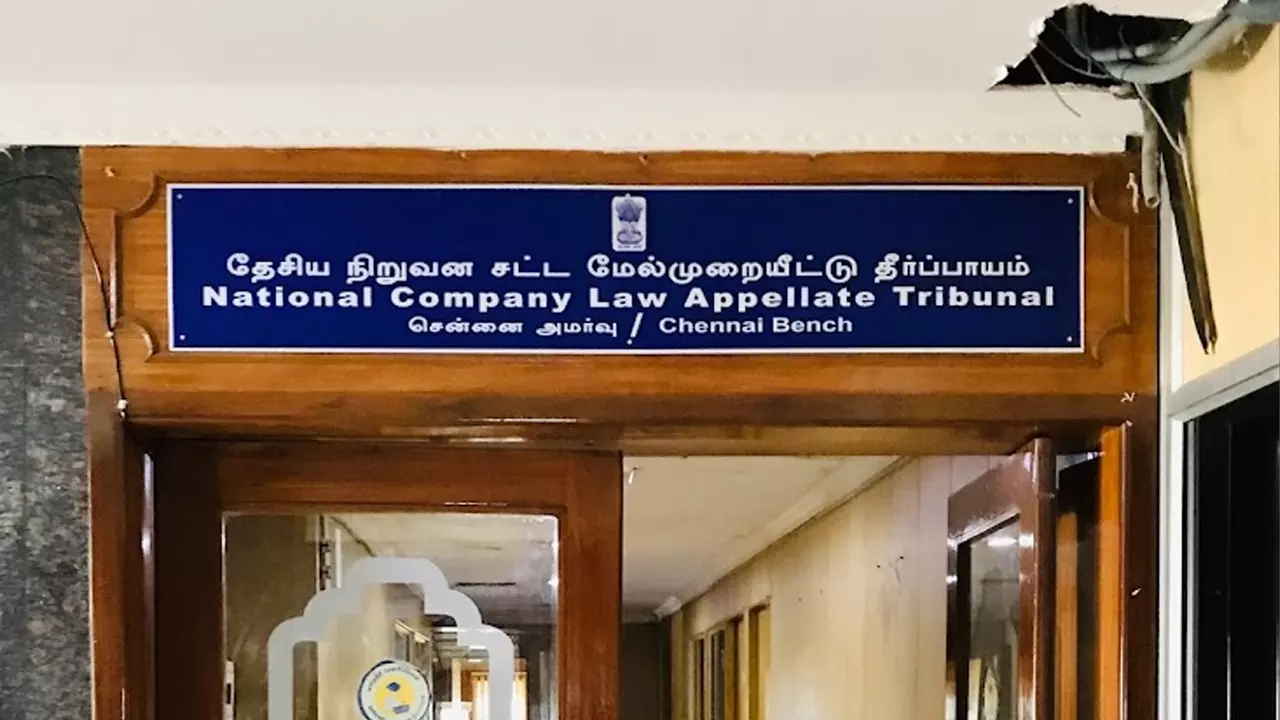
National Company Law Appellate Tribunal
Chennai Bench (NCLAT Chennai)
Ezhilagam, 6th Floor, PWD Estate
Chepauk, Triplicane
Chennai, Tamil Nadu – 600005
NCLAT hears appeals on:
-
Questions of law and fact
-
Insolvency matters
-
Company law disputes
Further appeals may lie before the Supreme Court of India on questions of law.
Why Professional Representation is Critical Before NCLT
NCLT proceedings involve:
-
Technical statutory interpretation
-
Strict procedural compliance
-
Financial documentation
-
Strategic interim relief applications
-
Timelines under IBC
Improperly drafted petitions or replies can result in:
-
Dismissal at admission stage
-
Adverse interim orders
-
Loss of corporate control
-
Financial exposure
An experienced NCLT Practitioner ensures:
-
Legally sustainable pleadings
-
Proper jurisdiction invocation
-
Strategic interim protection
-
Effective hearing representation
Common NCLT Issues in Kerala
Businesses in Kerala frequently approach NCLT for:
-
Shareholder disputes in private companies
-
Family-owned business conflicts
-
Financial creditor recovery actions
-
Insolvency admission defence
-
Scheme approval
Early legal advisory can sometimes prevent escalation to full litigation.
Strategic Approach Adopted by JV & Associates
In NCLT matters, structured representation generally involves:
-
Preliminary risk assessment
-
Jurisdiction and maintainability analysis
-
Drafting of petition or reply
-
Interim relief strategy
-
Evidence compilation
-
Continuous client advisory during proceedings
-
Appeal strategy planning (if required)
The focus remains on protecting commercial interests while ensuring statutory compliance.
Frequently Asked Questions (FAQ)
Can NCLT decide shareholder disputes in private companies?
Yes. Oppression and mismanagement petitions can be filed by eligible members under the Companies Act.
What is the limitation period for appeal to NCLAT?
Appeal must typically be filed within 30 days from the date of order, subject to limited condonation.
Can directors be removed by NCLT?
Yes, depending on the nature of the case and statutory provisions invoked.
Is NCLT a civil court?
NCLT is a quasi-judicial tribunal with powers similar to a civil court for specific corporate matters.
Conclusion
The National Company Law Tribunal plays a central role in India’s corporate adjudication framework. From insolvency proceedings to shareholder disputes and restructuring approvals, its jurisdiction significantly impacts business continuity.
Given the technical and high-stake nature of proceedings, structured legal representation is essential.
For companies, directors, and creditors in Kerala, informed and strategic handling of NCLT matters ensures that rights are protected and commercial interests are secured within the statutory framework.