

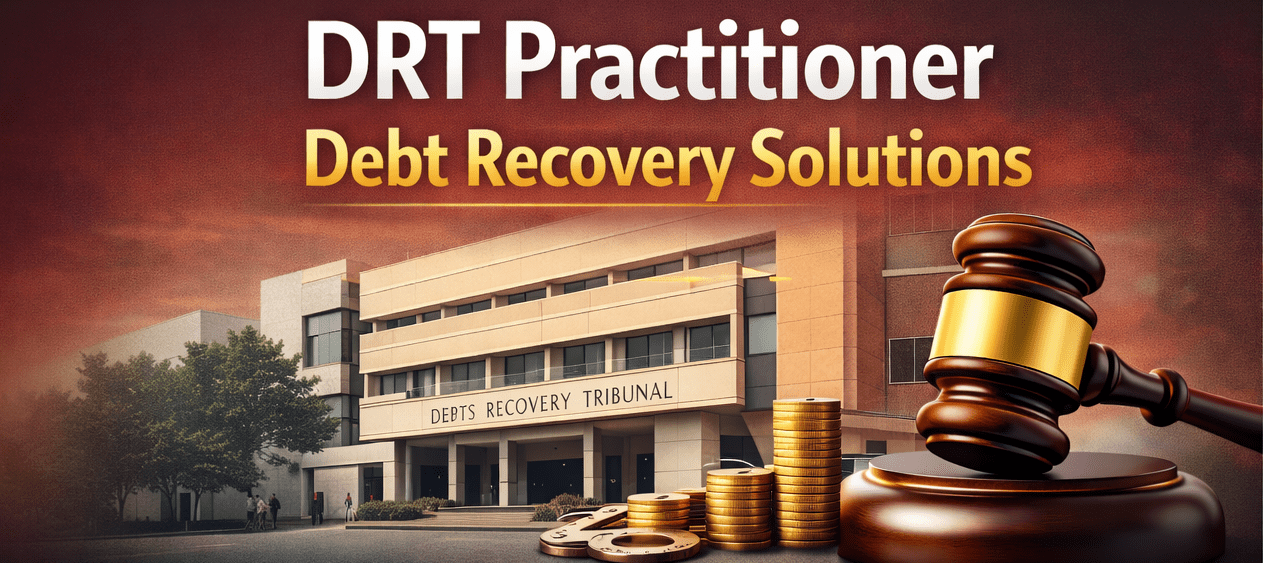
Introduction
Bank recovery proceedings and financial enforcement actions require specialised adjudication mechanisms. To ensure speedy disposal of cases involving recovery of debts due to banks and financial institutions, Parliament established the Debts Recovery Tribunal (DRT).
For borrowers, guarantors, companies, and financial institutions, proceedings before DRT are serious and time-sensitive. Orders may involve attachment of properties, issuance of recovery certificates, and enforcement actions that directly affect financial stability.
A DRT Practitioner is a qualified legal professional authorised to represent parties before the Tribunal and provide strategic advisory in banking and recovery litigation.
This article explains:
What is the Debts Recovery Tribunal
Jurisdiction and powers of DRT
Who can practice before DRT
DRT Kochi address and jurisdiction
Appeal provisions
Importance of professional representation
What is the Debts Recovery Tribunal?
The Debts Recovery Tribunal (DRT) was established under the Recovery of Debts and Bankruptcy Act, 1993 (formerly RDDBFI Act).
The objective of the Act is to provide a specialised mechanism for:
Expeditious adjudication
Recovery of debts
Enforcement of claims by banks and financial institutions
Over time, DRT jurisdiction has expanded, particularly in matters under the SARFAESI Act.
Jurisdiction of DRT
DRT primarily handles:
1. Recovery Applications by Banks and Financial Institutions
Banks may file Original Applications (OAs) before DRT for recovery of dues exceeding the statutory threshold.
The Tribunal examines:
Loan documentation
Security documents
Default details
Interest calculations
2. SARFAESI Applications (Section 17)
Borrowers and guarantors may challenge measures taken under the SARFAESI Act before DRT, including:
Possession notices
Auction proceedings
Asset classification as NPA
Time sensitivity is critical, as statutory timelines are strict.
3. Counterclaims and Set-offs
Defendants may raise counterclaims or challenge calculation of liability.
Powers of DRT
The Tribunal has powers similar to a civil court, including:
Summoning and enforcing attendance
Requiring production of documents
Granting interim orders
Confirming attachment
Issuing Recovery Certificates
Once a Recovery Certificate is issued, it is executed by a Recovery Officer with authority to:
Attach movable and immovable property
Conduct auction
Arrest and detention (in certain circumstances)
Given the seriousness of these powers, professional legal guidance becomes essential.
Who Can Practice Before DRT?
Representation before DRT is typically undertaken by:
Advocates
Authorised legal representatives
Since DRT proceedings involve banking law, contract law, and procedural law, practitioners must possess strong litigation experience and understanding of financial documentation.
DRT Kochi – Address and Jurisdiction
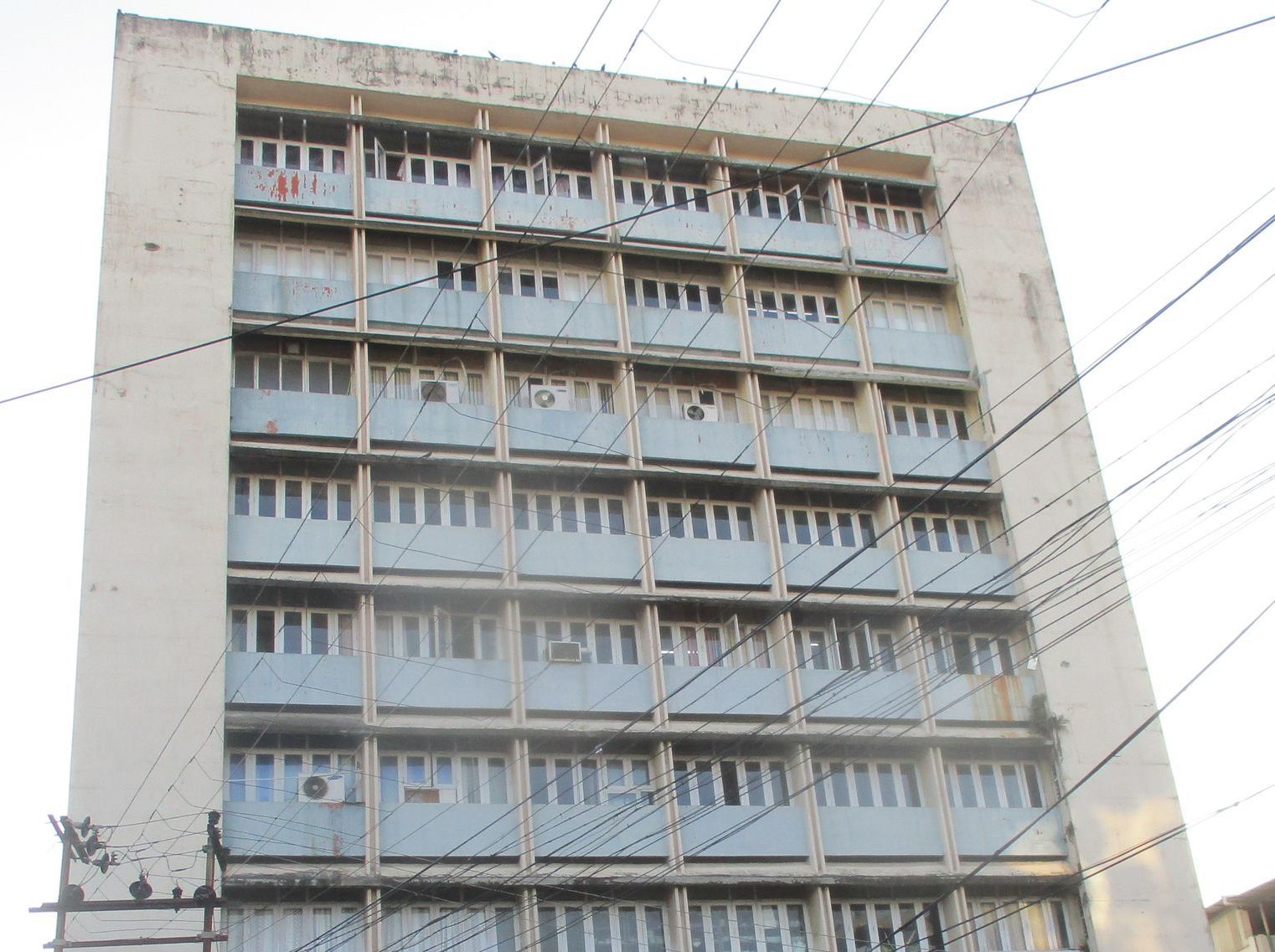
Debts Recovery Tribunal
5th Floor, Kerala State Housing Board
Panampilly Nagar
Ernakulam, Kerala – 682036
DRT Kochi has jurisdiction over banking and recovery matters arising within its notified territorial limits in Kerala.
For borrowers and companies in Kochi and surrounding districts, this Tribunal is the primary forum for debt recovery litigation.
Appeal Mechanism – DRAT
Orders passed by DRT can be challenged before the Debts Recovery Appellate Tribunal (DRAT).
Appeals must generally be filed within 30 days from the date of receipt of order, subject to statutory conditions including pre-deposit requirements.
Failure to act within limitation may result in loss of appellate remedy.
Common Issues in DRT Matters
In practice, disputes before DRT often involve:
Incorrect classification of account as NPA
Excessive interest calculation
Non-compliance with SARFAESI procedure
Improper service of notices
Disputed guarantee liability
Settlement negotiations
Strategic review of loan documents and procedural compliance is essential before initiating or defending proceedings.
Importance of Early Legal Intervention
Borrowers often approach legal counsel after receiving auction notice. By that stage, options may be limited.
Early consultation allows:
Examination of loan documents
Negotiation of restructuring
One-time settlement advisory
Challenge to procedural irregularities
Application for interim protection
Timely action can prevent irreversible financial consequences.
Strategic Representation in DRT Matters
Effective DRT representation involves:
Detailed review of loan and security documents
Calculation audit and liability verification
Procedural compliance analysis under SARFAESI
Drafting of written statements and counterclaims
Filing interim applications
Representation during hearings
Appeal strategy, if required
DRT litigation is document-intensive and technically nuanced.
Corporate Borrowers and DRT
For companies, DRT proceedings may:
Impact credit rating
Affect director reputation
Trigger insolvency proceedings
Lead to attachment of corporate assets
Coordinated advisory is required, particularly where:
Insolvency proceedings are contemplated
Settlement discussions are ongoing
Parallel civil or criminal proceedings exist
Integrated strategy prevents fragmented defence.
DRT vs Civil Court – Key Differences
DRT procedure is summary and faster
Technical rules of Civil Procedure Code are relaxed
Recovery Certificate mechanism expedites enforcement
Specialised focus on banking recovery
However, speed of proceedings means that delays in response can be costly.
Frequently Asked Questions (FAQ)
Can a borrower challenge SARFAESI action before DRT?
Yes. Section 17 application can be filed challenging possession or auction proceedings.
Is there a pre-deposit requirement for appeal?
Yes. Appeals to DRAT typically require deposit of a percentage of the debt amount, subject to reduction at Tribunal discretion.
Can DRT grant interim stay?
Yes, depending on merits and urgency.
Can settlement be recorded before DRT?
Yes. Parties may settle and record compromise before the Tribunal.
Role of JV & Associates in DRT Matters
In banking and recovery matters, structured advisory includes:
Preventive consultation upon default notice
Strategic defence against recovery action
SARFAESI compliance review
Settlement structuring
Tribunal representation
Appellate advisory
The focus remains on protecting financial interests while ensuring procedural compliance.
Conclusion
The Debts Recovery Tribunal plays a central role in banking litigation and financial enforcement in India. Its powers directly impact businesses, individuals, and guarantors.
Because of the technical and time-bound nature of proceedings, professional legal representation is essential to safeguard rights and financial stability.
For borrowers and financial stakeholders in Kerala, structured DRT advisory ensures informed decision-making and effective defence within the statutory framework.